
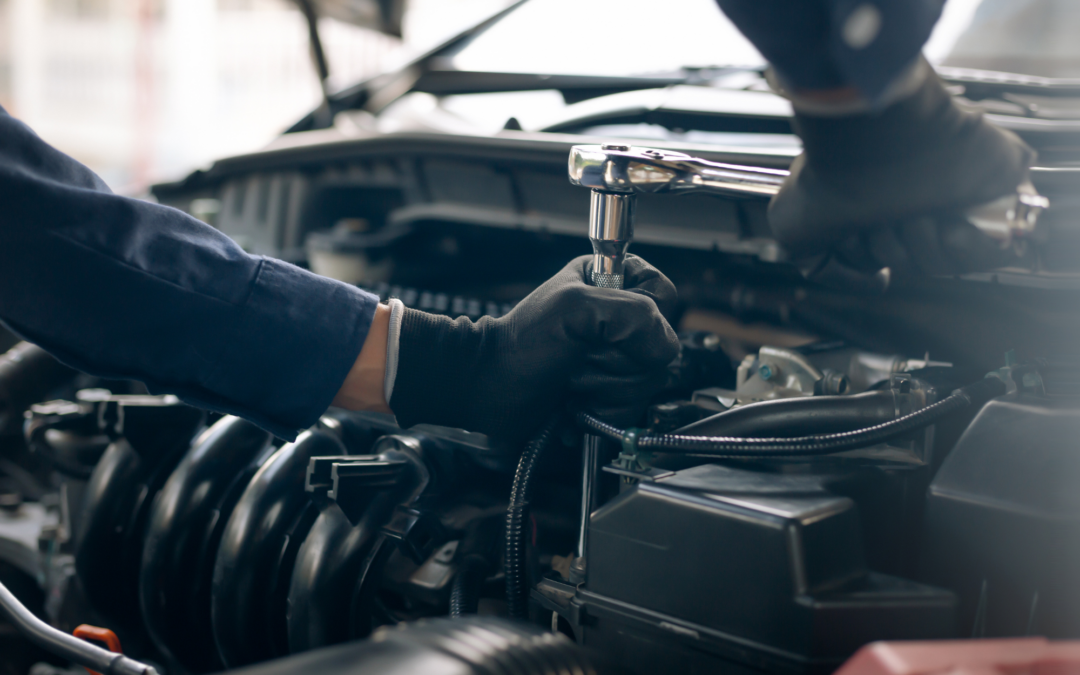
Cars are one of the largest investments we’ll make throughout our lives. Proper maintenance is one of the best ways to protect your investment and keep your car running smoothly for years to come. Regular maintenance can also help improve your vehicle’s safety, fuel economy, and reliability.
Red Rock Auto Repair has been keeping drivers across Salt Lake City on the road with honest and expert auto repair for years. Every car has different maintenance needs. However, there are easy steps every driver can follow to prevent costly repairs and sudden breakdowns. Check out our top tips to keep your vehicle running at its best.
1. Keep up With Regular Oil Changes in Salt Lake City
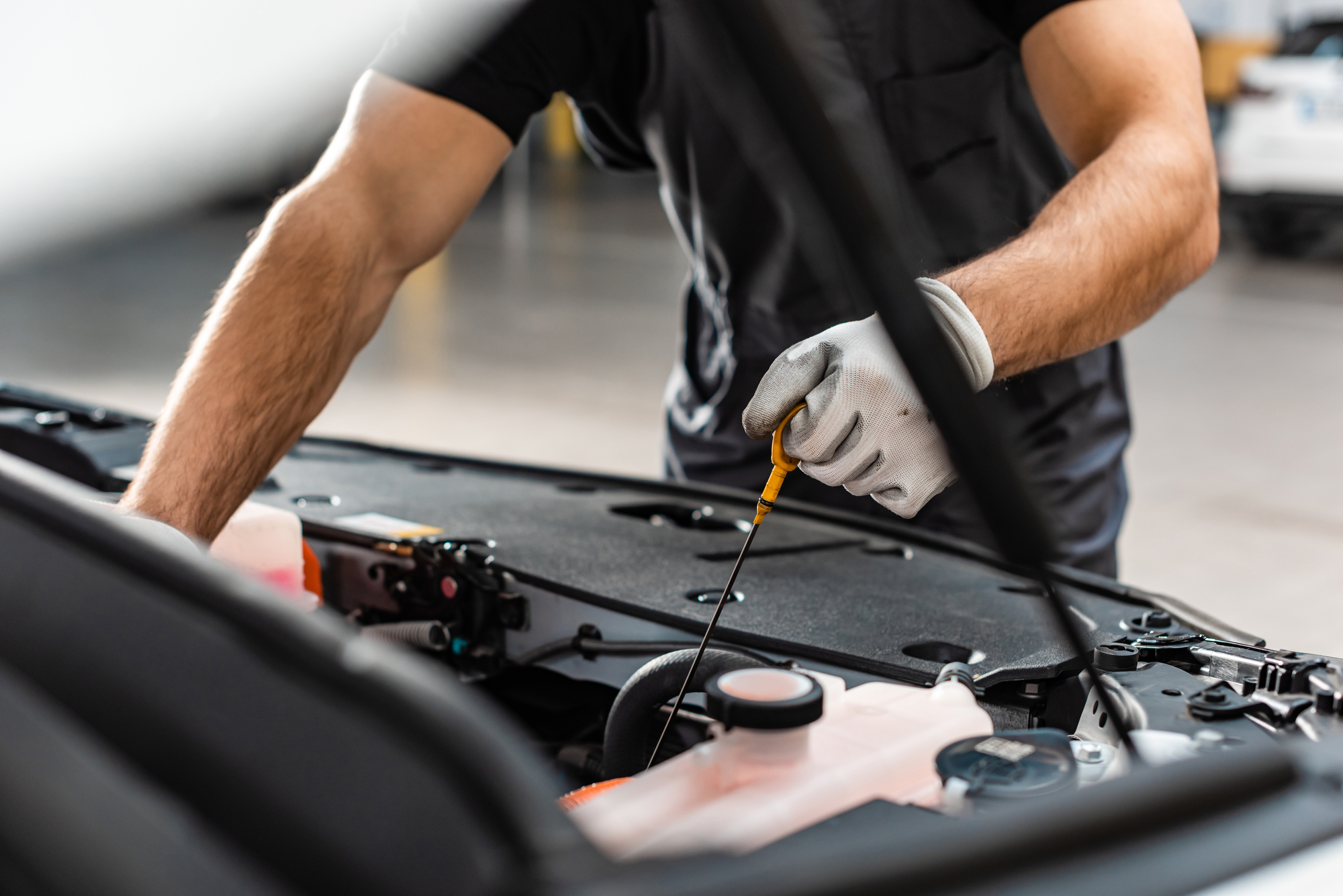
Oil change near me
Clean motor oil is essential for lubricating engine components, minimizing friction, and avoiding abnormal wear within the engine.
Put off changing your oil and you’ll experience:
- Reduced engine performance
- Increased engine wear
- Lower fuel economy
- Costly engine repairs
Change your oil as recommended by your manufacturer and be sure to use the right oil specification for your car.
2. Monitor Your Tire Pressure
Correct tire pressure can help you with:
- Gas mileage
- Tire longevity
- Steering
- Braking
Uneven tire wear is caused by driving on under or over-inflated tires. This can also lead to tire failure. Check tire pressure monthly and before long trips.
3. Rotate Tires Regularly
The tires on your car wear in different places based on where they are located.
Tire rotation can help:
- Extend tire life
- Improve traction
- Promote even tread wear
- Enhance ride quality
4. Pay Attention to Dashboard Warning Lights
Cars have sensors these days that monitor important functions.
If you see warning lights for:
- Check Engine
- Oil Pressure
- Battery
- ABS
- Tire Pressure
- Transmission
Bring your car into the shop. The sooner it’s diagnosed the better. Preventative maintenance can help you avoid big costly repairs down the road.
5. Replace Air Filters
Dirty engine air filters reduce airflow and force your engine to work harder.
Replacing your air filter can improve:
- Fuel efficiency
- Engine power
- Acceleration
- Engine life
6. Pay Attention to Your Brakes
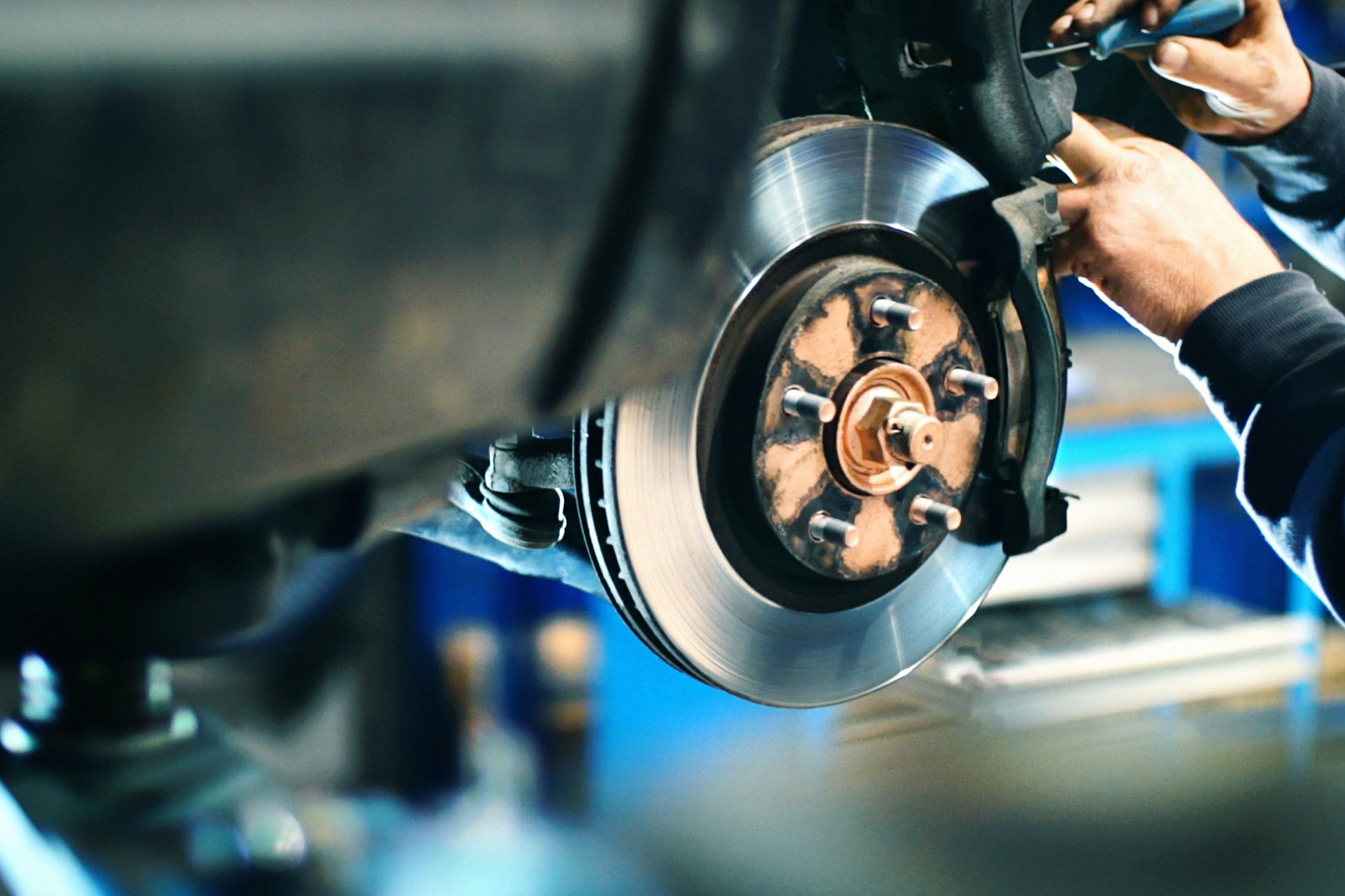
Brake system service
Brake issues don’t fix themselves.
Have them looked at if you notice:
- Squealing or grinding noises
- Soft brake pedal
- Vehicle pulling during braking
- Increased stopping distance
- Brake warning lights
Brake maintenance is just one more thing you can do to help ensure your family’s safety.
7. Check Fluid Levels
Your car runs on fluids — several of them.
Regularly check your:
- Engine oil
- Coolant
- Brake fluid
- Power steering fluid
- Transmission fluid
- Windshield washer fluid
Running out of or having dirty fluids can lead to major (costly) problems.
8. Replace Worn Belts and Hoses
Rubber ages and parts made from rubber wear out.
When getting your vehicle serviced, mechanics check your belts and hoses for:
- Cracks
- Leaks
- Fraying
- Bulging
- Dry rot
9. Listen to Your Car
Sometimes your car will give you clues that something is wrong.
Pay attention to:
- New rattles
- Knocking sounds
- Vibrations
- Burning smells
- Fluid leaks
- Changes in steering or braking
Fixing minor issues before they become major is one of the simplest ways to save money on expensive repairs down the road.
10. Have Regular Preventive Maintenance Inspections
Even if your car is running well, regular maintenance will catch issues before they leave you stranded.
During a professional inspection, your mechanic will look for:
- Worn suspension components
- Tire wear
- Fluid leaks
- Battery issues
- Brake wear
- Cooling system problems
Preventative maintenance will ALWAYS be cheaper than waiting for something to break down.
How Preventive Maintenance Can Save You Money
Some drivers don’t go to an auto repair shop until something breaks. This can cost you more in repairs as well as downtime.
Routine maintenance can:
- Prevent unexpected breakdowns
- Extend the life of your vehicle
- Improve fuel economy
- Increase resale value
- Enhance driving safety
- Reduce long-term repair costs
A few dollars spent now can prevent you from spending thousands down the road.